Elevating the Experience: The Future of Sports Broadcasting and Audience Engagement
The Evolution of Sports Broadcasting
The history of Sports Broadcasting is a captivating tale of technological advancements and changing audience dynamics. From its humble beginnings over a century ago, sports broadcasting has transformed the way fans engage with their favorite sports and teams. This section aims to provide a historical overview, delve into the technological breakthroughs, and examine how audience engagement strategies have evolved over the years.
Historical Overview of Sports Broadcasting
Sports broadcasting originated in the early 1920s with live radio broadcasts of significant sporting events, like the 1921 baseball game between the New York Giants and the Philadelphia Phillies. This shifted rapidly into the visual realm with the advent of television in the 1930s, marking a revolutionary change in how audiences consumed sports content. Events such as the 1936 Berlin Olympics were pivotal, showcasing broadcast capabilities to an international audience, which democratised access to sporting events.
By the mid-20th century, cable television emerged, diversifying sports content and making once-exclusive broadcasts accessible to millions. ABC’s “Wide World of Sports,” launched in the 1960s, set a precedent for sports programming, leading to the growth of dedicated sports networks. This era signaled the transition from public events broadcasted for entertainment to a commercialized sports broadcasting industry.
Technological Advancements in Sports Broadcasting
The technological evolution in sports broadcasting is marked by innovations that have continually enhanced viewer experience. The introduction of color television in the 1960s made sports broadcasts more visually appealing, while satellite technology in the 1970s allowed for global distribution of sports content. Digital video technology, including high-definition (HD) capabilities, further improved the quality of broadcasts.
In recent years, advancements like 4K streaming, virtual reality (VR), and augmented reality (AR) have redefined how audiences experience sports. These technologies not only enhance the viewing experience but also engage fans in unprecedented ways, allowing them to immerse themselves in the action like never before.
Changes in Audience Engagement Strategies
As viewer preferences evolve, so do audience engagement strategies in sports broadcasting. Initially centered around the game itself, today’s engagement methods are multifaceted, incorporating social media interaction, fantasy sports, and user-generated content. Broadcasters now capitalize on interactive platforms that encourage audience participation, further bridging the gap between fans and the sports they love.
Moreover, personalization plays a crucial role. Broadcasting networks analyze viewer data to tailor content, ensuring that fans receive updates and coverage that resonate with their interests. This shift highlights the industry’s responsiveness to consumer demands, transitioning from a one-way broadcast model to a multi-channel engagement approach.
Key Components of Effective Sports Broadcasting
Studio Design and Equipment Essentials
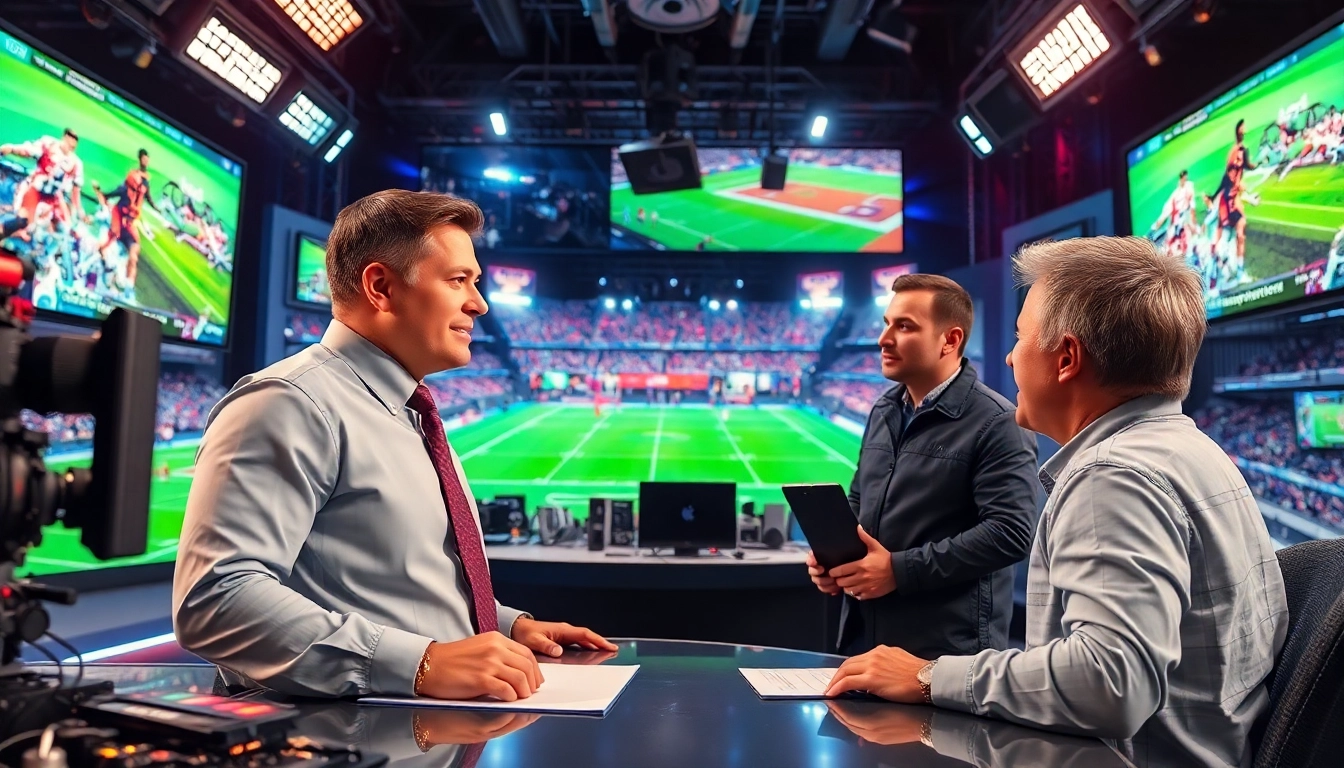
Effective sports broadcasting begins with the physical environment where production occurs. A well-designed studio is essential, equipped with advanced technologies for capturing, editing, and broadcasting footage in real-time. Essential equipment includes high-quality cameras, mixing consoles, and soundproofing materials to ensure clarity in commentary and analysis.
Moreover, studio layouts must accommodate dynamic content presentation, allowing for live interviews, replays, and analysis seamlessly. A visually engaging backdrop not only attracts viewers but also enhances the storytelling aspect of sports broadcasting. Integrated graphics capabilities that provide real-time statistics during games add significant value, keeping fans informed and engaged.
Commentary Techniques for Enhanced Storytelling
Commentary is not just about relaying what’s happening on the field; it’s about bringing the audience into the game through effective storytelling. Analysts and commentators must master techniques that resonate with viewers, incorporating historical context, player statistics, and narratives that evoke emotion and connection to the action.
Using effective pacing and tone, they can build excitement during critical moments and provide insight during pauses in the action. A well-crafted commentary enhances the viewing experience, turning a simple broadcast into an immersive event that fans look forward to.
Integrating Viewer Interaction in Sports Broadcasting
Modern sports broadcasting thrives on viewer interaction. Social media platforms have become integral to this integration, allowing audiences to engage with commentators and fellow fans in real time. Tools enabling fans to send in questions, comments, and reactions during live broadcasts create a participatory experience, making fans feel a part of the event.
These interactions can take various forms, including polls, live Q&As, and viewer-submitted highlights. Such methods not only increase engagement but also provide broadcasters with real-time feedback on audience preferences and sentiments, empowering continuous improvement in content delivery.
Challenges in the Sports Broadcasting Landscape
Managing Rights and Licensing Issues
The sports broadcasting landscape faces significant challenges, beginning with rights and licensing. Major sporting events often attract numerous bidders, and obtaining rights can be prohibitively expensive. Broadcasters need to negotiate deals that balance costs with potential revenue from advertisements and subscriptions.
Moreover, navigating regional broadcasting rights adds another layer of complexity, as networks must comply with geographical restrictions while maximizing audience reach. Developing clear, comprehensive rights agreements and ensuring compliance with local and international laws is paramount for broadcasters’ operational success.
Adapting to Market Demands and Trends
Market demands in sports broadcasting are ever-changing. The rise of on-demand streaming services has shifted how audiences consume sports. Traditional broadcasters must pivot their strategies to retain and grow their audiences, adapting to new platforms that cater to younger, tech-savvy viewers. This may involve investing in proprietary streaming technologies or partnerships that broaden service offerings.
Additionally, competition from esports and non-sport entertainment options forces traditional sports networks to innovate constantly and reconsider their value propositions, ensuring they remain relevant in the crowded media landscape.
Maintaining Broadcast Quality amidst Competition
As competition heats up, maintaining broadcast quality becomes increasingly critical. High standards are expected from viewers, with low production values resulting in negative backlash. Rigorous quality checks, technical rehearsals, and employing skilled personnel are fundamental to delivering a premium viewing experience.
Moreover, innovative production techniques, like incorporating drones for aerial views or using AI for predictive analytics, can enhance quality while setting a broadcaster apart from competitors. Investing in talent and technology is an ongoing necessity to stay ahead in this competitive field.
Future Trends in Sports Broadcasting
The Role of Streaming Services and Digital Platforms
Streaming services are reshaping the’sports broadcasting industry. With viewers gravitating toward flexible viewing experiences, many traditional broadcasters are partnering with, or developing their own, streaming platforms to stay relevant. The shift from scheduled programming to on-demand content allows fans to watch games and sports shows whenever they choose.
This trend also fuels innovation around subscription models, offering tiered services that give fans access to exclusive content, early screenings, and behind-the-scenes footage. Such models not only foster loyalty but also ensure steady revenue streams for broadcasters.
Interactive Technologies Shaping Viewer Experience
As technology continues to advance, interactive capabilities will play a larger role in sports broadcasting. Augmented reality and virtual reality are particularly promising, allowing fans to experience sports engagement in immersive environments. For instance, using VR headsets, viewers can virtually sit courtside or share a locker room experience with their favorite players.
Interactive features, such as real-time stats overlays and interactive infographics, enable audiences to engage deeply with the content, making the viewing experience not just passive but participatory and enriching.
Predictions for Sports Broadcasting Innovations
Looking toward the future, sports broadcasting will likely continue evolving through technological innovations. Artificial intelligence and machine learning can elevate viewer experiences by personalizing content delivery based on user preferences and engagement patterns.
Additionally, leveraging data analytics for predictive modeling can enhance game analytics and commentary while improving the accuracy of viewer predictions for betting, which is a growing trend in many sports. These innovations will not only enhance engagement but also foster new avenues for revenue generation.
Measuring Success in Sports Broadcasting
Key Performance Indicators to Track Audience Engagement
Measuring success in sports broadcasting hinges on understanding key performance indicators (KPIs). Metrics such as viewer ratings, share of audience, and duration of viewership are crucial. Additionally, tracking social media engagement levels provides insight into audience sentiment and passion, which is vital for sponsors and advertisers.
Furthermore, gathering viewer feedback through surveys allows broadcasters to refine content, improving overall satisfaction and retention rates. Understanding their audience’s diverse preferences ultimately drives content strategy and enhances the broadcasting experience.
Analyzing Feedback for Continuous Improvement
Feedback analysis is a cornerstone of continuous improvement in sports broadcasting. By actively listening to viewer critiques, broadcasters can adapt programming. Tools like sentiment analysis can dissect social media reactions, identifying trends and areas for enhancement.
Moreover, implementing real-time feedback mechanisms during broadcasts (like live polls) provides immediate insight into audience reception, allowing for quick adjustments and fostering a more dynamic viewing experience.
Case Studies of Successful Sports Broadcasting Campaigns
Examining case studies of successful sports broadcasting campaigns reveals common best practices. For example, a well-executed campaign can include strategic collaborations with influencers, utilizing multiple platforms to reach broader audiences. Campaigns that effectively combine storytelling and data visualization generally see higher audience engagement rates.
Another notable strategy includes embracing inclusivity by catering to diverse audiences with multilingual broadcasts or offering tailored content for different demographics. By evaluating these strategies, broadcasters can glean innovative ideas that resonate with their viewers.
Frequently Asked Questions
What is Sports Broadcasting?
Sports Broadcasting refers to the live transmission or recording of sports events, analysis, and commentary through various media channels, including radio, television, and online streaming platforms.
How has Technology Affected Sports Broadcasting?
Technology has significantly enhanced Sports Broadcasting, allowing for high-definition video, interactive features, and real-time statistics, enriching viewer experience and engagement.
What Role does Social Media Play in Sports Broadcasting?
Social media facilitates real-time audience interaction, enhances fan engagement, and allows broadcasters to reach wider audiences by promoting content across platforms.
Why is Audience Engagement Important in Sports Broadcasting?
Audience engagement is crucial as it drives viewer loyalty, boosts ratings, and attracts advertisers. Engaged viewers are more likely to tune in regularly and participate in discussions.
What Trends are Shaping the Future of Sports Broadcasting?
Key trends include the rise of streaming services, increased interactivity through AR/VR, and personalized content delivery, all of which are redefining how fans consume sports.