
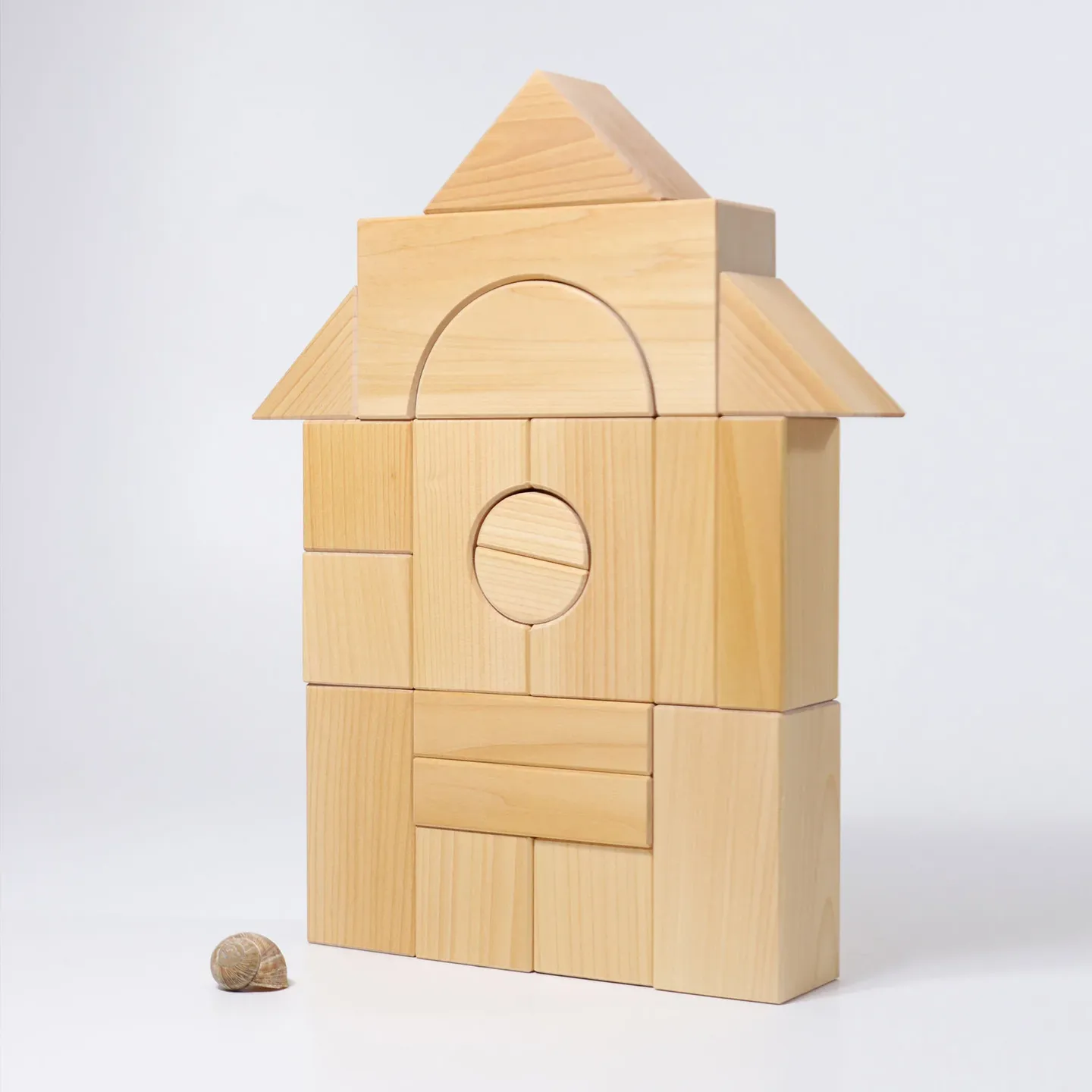
Giant Building Blocks can turn gloomy weather into an exciting opportunity for creative indoor play. Giant Building Blocks give children something engaging to build, explore, and transform, while Giant Building Blocks also encourage imagination, coordination, and problem-solving. Instead of spending a rainy afternoon watching screens, children can create castles, towers, houses, bridges, and imaginary worlds with oversized construction pieces. With the right building space and a little inspiration, these versatile toys can make rainy days active, educational, and memorable for the whole family.
Why Rainy Afternoons Are Perfect for Building
Rainy weather often means children have fewer opportunities to play outside. While books, crafts, and board games are useful indoor activities, construction play provides a different combination of creativity and physical movement.
Large building pieces allow children to use their hands and bodies while remaining indoors. They can carry blocks across a room, stack them into structures, take them apart, and rebuild them in completely different ways.
Turning Bad Weather Into Creative Time
A rainy afternoon does not have to feel boring. Parents can transform an ordinary room into a temporary construction zone where children are encouraged to explore their own ideas.
Giant Building Blocks can become the foundation for a variety of activities. One child may build a tall tower, while another creates a pretend house or animal shelter. The open-ended nature of construction means children can choose projects according to their interests.
The Creative Benefits of Giant Building Blocks
Giant Building Blocks provide children with an opportunity to create without needing a complicated set of instructions. The same pieces can become different structures every time they are used.
This freedom encourages children to think independently. They can decide what they want to make, select appropriate pieces, and change their designs whenever necessary. For more information about large building blocks for kids, explore their features, benefits, age suitability, and role in encouraging imaginative and educational play.
Encouraging Imagination
A pile of oversized blocks can quickly become a magical castle, pirate ship, space station, or busy city. Children can create stories around their structures and use toys or figures to expand their imaginary worlds.
This combination of construction and pretend play can make a simple rainy afternoon much more engaging.
Supporting Problem-Solving
Building does not always go according to plan. A tower might fall, a bridge may become unstable, or two sections may not fit together as expected.
These situations provide valuable opportunities for children to experiment. They can identify the problem, adjust their design, and try again. This trial-and-error process encourages persistence and practical problem-solving.
Fun Rainy-Day Projects to Try
Parents and educators can introduce creative building challenges to give children a starting point. The goal should be to inspire ideas rather than dictate exactly what the finished structure must look like.
Build a Rainy-Day Castle
Challenge children to create a castle complete with towers, walls, gates, and imaginary rooms. Once finished, the castle can become the setting for a fantasy story.
Children can pretend to be explorers, kings, queens, knights, or friendly characters protecting their imaginary kingdom from an approaching storm.
Create an Indoor City
Children can use construction pieces to design an entire city. Buildings, roads, bridges, garages, shops, and parks can all become part of the project.
Giant Building Blocks make it possible to build structures large enough for children to interact with directly. Toy cars and figures can be added to create a lively pretend community.
Design a Cozy Fort
A fort is another simple project for a rainy afternoon. Children can create walls and entrances and then turn the finished structure into a reading corner or imaginary hideout.
Adding cushions, blankets, and stuffed animals can make the space more comfortable while extending the pretend-play experience.
Developmental Skills Supported by Construction
Rainy-day construction is not only entertaining. Hands-on building can support several developmental skills that children use in everyday activities.
Fine Motor Coordination
Picking up, moving, positioning, and stacking pieces requires children to coordinate their hands and eyes. Repeated construction activities provide opportunities to practice controlled movements.
Large pieces are particularly accessible to young builders because they are easier to grasp and manipulate than many small construction components.
Spatial Awareness
Children learn about size, distance, position, balance, and shape as they construct different structures. They begin to understand how individual pieces relate to one another.
For example, a child may discover that a wide foundation creates greater stability or that placing a piece too far to one side can make a tower lean.
Social Development
Construction can become a cooperative activity when siblings, friends, parents, or classmates participate together. Children can discuss their ideas, share materials, assign roles, and make joint decisions.
Working together can strengthen communication and encourage patience, teamwork, and negotiation.
Making Giant Building Blocks Educational
Parents can add simple learning opportunities to rainy-day building without turning the activity into a formal lesson. Children can count pieces, identify colors, compare heights, or sort blocks according to size and shape.
Introducing Early Mathematics
Ask children how many pieces they used to make a tower or which of two structures is taller. They can create repeating patterns or group pieces by characteristics.
These activities introduce early mathematical thinking through practical play.
Exploring Simple Engineering
Building also provides an introduction to basic engineering concepts. Children can experiment with different foundations, supports, and arrangements.
Ask questions such as, “How could you make this bridge stronger?” or “Why did the tower fall?” Children can then test their ideas and observe what happens.
Creative Storytelling With Construction
Once a structure has been completed, encourage children to invent a story about it. A block-built house could belong to an imaginary family, while a large tower might be a secret headquarters.
Giant Building Blocks can therefore serve as both construction materials and storytelling props. Children can continuously modify the environment as their story develops.
Creating Rainy-Day Missions
Parents can introduce simple adventure missions. For example, children might need to build a rescue station for toy animals or create a safe shelter before an imaginary storm arrives.
These challenges encourage children to combine planning, construction, storytelling, and problem-solving.
Creating a Safe Indoor Building Area
Before starting a large construction project, choose an area with enough clear floor space. Children should have room to move around their structures without hitting furniture or fragile objects.
The building surface should be stable and comfortable. A suitable carpet or play mat can provide a practical area for many indoor construction activities.
Teaching Safe Construction Habits
Children should be encouraged to carry large pieces carefully and place them gently. They should not throw blocks at other people or climb structures that are not designed to support their weight.
Parents and caregivers should inspect construction pieces regularly for damage and select products appropriate for the children's ages and abilities.
Choosing the Right Construction Set
When choosing Giant Building Blocks, consider factors such as material, piece size, durability, quantity, age suitability, and storage requirements.
A smaller collection may be appropriate for one child, while larger groups may benefit from a bigger selection of pieces. Storage is also important because oversized construction toys require more space than traditional small blocks.
Materials and Durability
Different construction sets use different materials and designs. Lightweight pieces can be convenient for younger children, while durable materials may be beneficial in classrooms and childcare environments.
Easy-to-clean surfaces can also be useful when blocks are used frequently by multiple children.
Keeping Rainy Afternoons Interesting
One of the biggest advantages of Giant Building Blocks is their versatility. Children can use the same pieces to create completely different structures from one rainy day to the next.
Parents can rotate challenges to keep construction fresh. One afternoon might focus on castles, another on transportation, and another on designing an imaginary animal park.
This variety encourages children to revisit their construction materials with new ideas instead of quickly losing interest.
Frequently Asked Questions
1. Are Giant Building Blocks good for rainy-day activities?
Yes. They provide an engaging indoor activity that combines creativity, movement, construction, and imaginative play when children cannot comfortably play outside.
2. What can children build on a rainy afternoon?
Children can create castles, forts, towers, houses, bridges, cities, garages, animal shelters, space stations, and many other imaginative structures.
3. What skills can construction play develop?
Construction activities can support hand-eye coordination, spatial awareness, creativity, problem-solving, planning, communication, teamwork, and early STEM concepts.
4. Can parents participate in building activities?
Absolutely. Parents can build alongside children, ask creative questions, introduce challenges, and participate in storytelling while allowing children to lead the project.
5. How can parents keep rainy-day construction activities fresh?
Introduce different themes and challenges. Children can build a new structure each time, create stories around their designs, or combine construction with toys, books, and imaginative games.
Conclusion
Giant Building Blocks can transform rainy afternoons from periods of boredom into opportunities for creativity, exploration, and learning. Children can build castles, forts, cities, bridges, towers, and imaginative worlds while developing coordination, spatial reasoning, communication, and problem-solving abilities. Because the pieces can be rearranged in countless ways, every rainy-day session can become a completely new experience. By creating a safe building area, introducing creative challenges, and allowing children to direct their own projects, parents and educators can make indoor construction a rewarding part of childhood play.