Understanding Salon Quality Sew in Weft Extensions
Over the years, the beauty industry has evolved significantly, particularly in the realm of hair extensions. Among the various types available, salon quality sew in weft extensions have gained immense popularity due to their natural appearance and versatility. Whether someone is looking to add length, volume, or a pop of color, sew-in wefts stand out as a top choice for both stylists and clients alike. This comprehensive overview will delve into what sew-in weft extensions are, the benefits they offer, and how they compare to other options in the market.
What are Sew In Weft Extensions?
Sew-in weft extensions are strips of hair that are securely attached to natural hair using a needle and thread. They are customarily made from high-quality human hair, allowing for a natural look and feel. The wefts can be machine-tied or hand-tied, each offering different advantages in terms of bulkiness, flexibility, and styling options. Sew-in wefts are a favored choice among clients seeking a long-lasting solution to achieve salon-worthy hair without compromising on the quality.
Benefits of Salon Quality Extensions
Salon quality sew-in weft extensions come with a plethora of benefits that set them apart from other types of hair extensions. Some of the key advantages include:
- Natural Look: Made from real human hair, they blend seamlessly with your natural hair, giving a very natural appearance.
- Versatility: They can be styled, curled, or straightened just like your own hair, allowing for endless styling options.
- Durability: With proper care, these extensions can last several months, making them a cost-effective choice.
- Customizable: Length, color, and texture can be tailored to suit individual preferences.
- Volume and Length: They offer an immediate solution for those looking to achieve fuller, longer hair quickly.
Common Misconceptions about Weft Extensions
Despite their popularity, there are several misconceptions surrounding sew-in weft extensions. Some individuals believe that they damage natural hair, but when installed and maintained properly, wefts can be safe and gentle on the hair. Others may think that sew-in wefts are only for thick hair, but they can be adapted for finer hair types as well. Understanding these misconceptions is crucial for making informed decisions regarding hair extensions.
Choosing the Right Type of Sew In Weft
With the various options available, selecting the right type of sew-in weft is essential for achieving the desired look and feel. Here, we will compare the primary types of wefts and discuss how to choose the right one.
Machine-Tied vs. Hand-Tied Options
Machine-tied wefts are created using machines, which results in a denser and sturdier weft. They are generally easier to apply and can be suitable for those who want a quick installation process. However, they may be bulkier and can feel heavier on fine hair. On the other hand, hand-tied wefts are crafted by tying individual strands of hair by hand, resulting in a thinner, flatter construction that allows for more movement and a more natural appearance. These are ideal for those seeking a lightweight feel and a more customized installation.
Choosing the Right Color and Texture
When selecting weft extensions, color and texture are critical factors. It is essential to match the extensions to your natural hair color as closely as possible for a seamless blend. Additionally, consider the texture of your hair – whether it is straight, wavy, or curly. Many brands offer a wide range of colors and textures to suit different hair types, so take the time to find the perfect match.
Factors to Consider for Different Hair Types
Different hair types require varying approaches to weft selection. For fine hair, opting for lighter hand-tied wefts is advisable to prevent strain on the hair. For thicker, coarser hair, machine-tied wefts can provide the necessary volume without sacrificing durability. Consulting with a professional stylist can help in selecting the appropriate weft that complements your hair texture and style.
Application Techniques for Salon Quality Wefts
Applying sew-in weft extensions requires skill and precision, and choosing the right technique can significantly affect the overall look. Whether you’re doing it yourself or visiting a salon, understanding the application process is crucial.
Step-by-Step Guide to Sew In Weft Application
The following steps outline the typical procedure for applying sew-in weft extensions effectively:
- Preparation: Begin by washing and conditioning your hair to ensure it is clean and free of product buildup.
- Sectioning: Divide your hair into sections using hair clips, starting from the nape of your neck and working your way up.
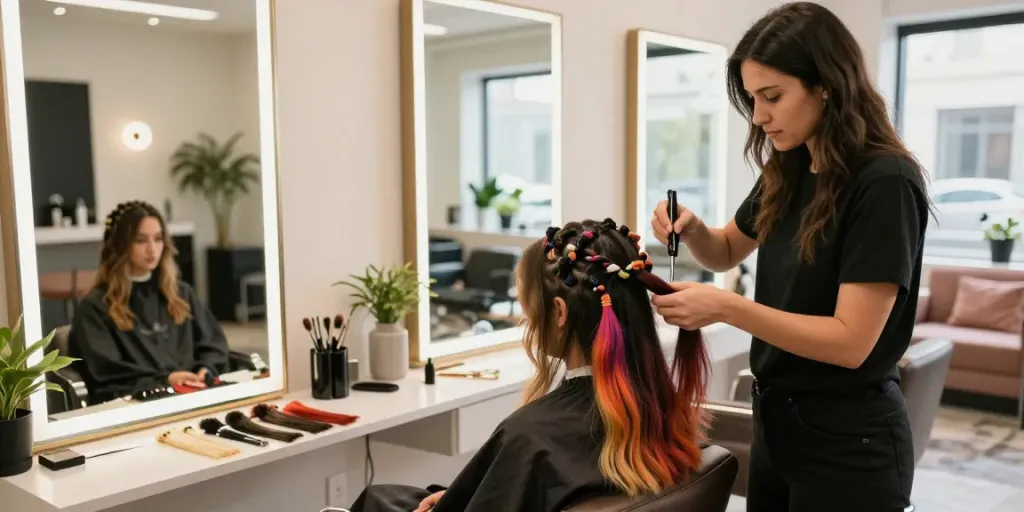
- Creating a Base: Braid or create small cornrows in the sections where the wefts will be applied.
- Sewing the Weft: Take the weft and sew it onto the braid using a needle and thread to secure it in place. Ensure it is tight but not too tight to prevent discomfort.
- Blending: Once all wefts are attached, blend them with your natural hair using styling tools as desired.
Tools and Products Needed for a Professional Finish
For a successful sew-in weft application, you will need specific tools and products. Essential items include a quality needle, thread, scissors, hair clips, and a comb. Additionally, investing in good-quality products like hair oils or heat protectants can help maintain the health of both your natural hair and the extensions.
Tips for Achieving a Natural Look
To ensure your sew-in wefts look natural, take care to blend them properly with your own hair. Use styling techniques that mimic the natural texture of your hair and pay special attention to the roots to avoid any visible tracks. Regular maintenance and touch-ups can also prevent any noticeable separation between the extensions and your natural hair.
Maintenance and Care for Weft Extensions
Caring for sew-in weft extensions properly is essential to maintaining their quality and longevity. Below are best practices to keep in mind.
Best Practices for Washing and Conditioning
When washing your sew-in wefts, use sulfate-free shampoos and conditioners to prevent dryness. Always detangle your hair gently before washing and avoid excessive rubbing. It is advisable to wash extensions no more than once a week to avoid stripping them of moisture. Deep conditioning treatments can help to keep the hair soft and manageable.
Styling Techniques to Preserve Quality
To preserve the quality of your wefts, avoid using excessive heat. When styling, let your hair air dry as much as possible and use a heat protectant spray when using hot tools. Techniques like braiding can help to create waves without heat while also allowing extensions to blend seamlessly with your natural hair.
Signs of Wear and When to Replace
Regular checks for signs of wear are vital. Look for frizz, tangling, and thinning, which are indicators that your extensions may need to be replaced. Typically, high-quality sew-in wefts can last several months with proper care, but it’s essential to monitor their condition and replace them when needed to maintain a fresh appearance.
Future Trends in Hair Extensions for 2026
The hair extension market is continuously evolving, introducing innovative solutions and trends. Let's explore what the future holds for sew-in weft extensions.
Innovations in Weft Construction and Materials
Expect to see advancements in the types of materials used in the construction of wefts. Innovations may include synthetic fibers that mimic human hair more closely, enhancing durability and affordability. The trend toward eco-friendly options is also gaining traction, with brands exploring sustainable sourcing and production processes for their hair extensions.
Emerging Styling Techniques and Trends
With the rise of social media, new styling techniques are gaining popularity. Techniques that allow for quick transformations, such as clip-in methods or temporary sew-in options, are becoming common among stylists and clients. Additionally, blending natural colors with fashion colors using a balayage technique continues to soar in trend, offering an appealing aesthetic.
Personalization and Customization in Hair Extensions
As personalization becomes increasingly important, expect to see more options for customizing wefts according to individual preferences. From color matching to personalized textures, the ability to tailor extensions to each person’s unique style will redefine the approach to hair extensions.