
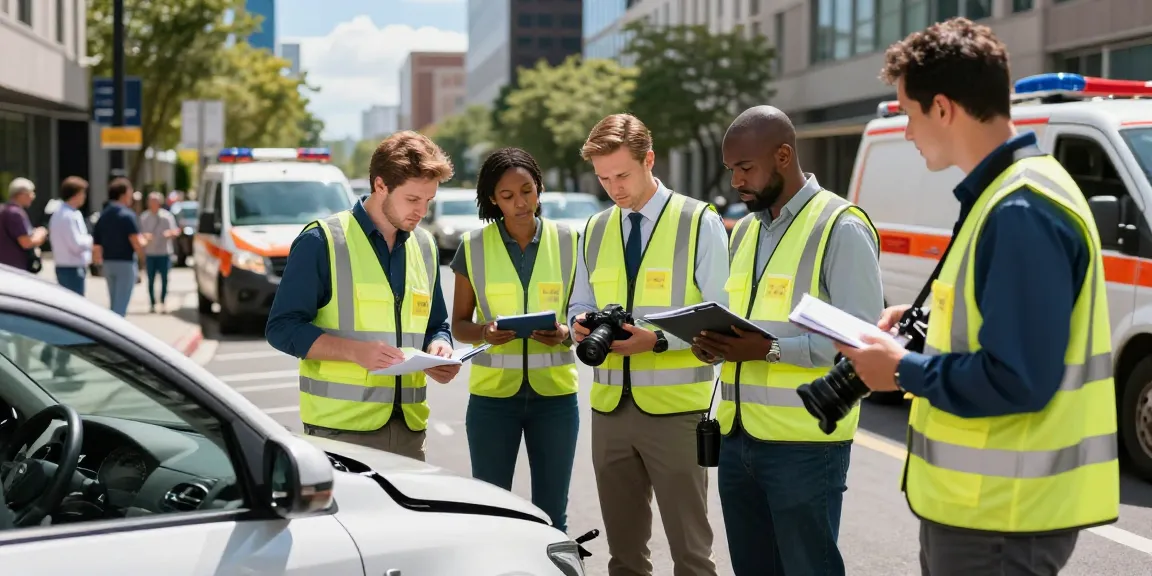
Understanding Vehicle Accident Reports
A vehicle accident report is a critical document that serves as an official record of an automobile accident. It captures essential details and provides insights into the circumstances surrounding the event, which can be vital for various stakeholders. Understanding vehicle accident reports can help mitigate the aftermath of such incidents, ensuring that all parties involved navigate the complexities that come with accidents, such as insurance claims, legal matters, and emotional distress. When exploring options, vehicle accident report systems offer comprehensive insights into obtaining these crucial documents.
What is a Vehicle Accident Report?
A vehicle accident report is typically generated by law enforcement officers who arrive at the scene of an accident. This report provides a thorough account of what occurred during the incident, including details such as the time and location of the accident, the parties involved, descriptions of the vehicles, witness statements, and any observed damages or injuries. Additionally, it may include diagrams illustrating the accident scene, which can help clarify the sequence of events.
The Importance of Accurate Reporting
Accurate reporting is crucial for several reasons. First, it helps establish liability. Insurance companies rely heavily on the information documented in these reports to determine fault and process claims. Second, an accurate vehicle accident report can protect drivers from false allegations. Inaccuracies can lead to delays in claims processing and may result in wrongful penalties for responsible parties.
Key Components of a Vehicle Accident Report
Various elements constitute a comprehensive vehicle accident report. Some of the key components include:
- Date and Time: Records the specific moment the accident occurred.
- Location: Provides the exact address or road where the accident took place.
- Parties Involved: Lists all drivers, passengers, and witnesses, including their contact information.
- Vehicle Information: Identifies the make, model, year, and license plate number of the vehicles involved.
- Conditions: Notes weather conditions, road conditions, and visibility at the time of the accident.
- Officer's Observations: Includes any observations made by the responding officer regarding the scene.
- Photographs: Any visual evidence captured by law enforcement at the scene may also be included.
Who Needs a Vehicle Accident Report?
Understanding who needs a vehicle accident report can help streamline the process after an incident. Different stakeholders, from drivers to insurance companies, all rely on these documents to make informed decisions.
Legal Implications for Drivers and Insurance Companies
For drivers, a vehicle accident report is essential for understanding legal implications following an accident. Insurance companies use these reports to assess claims and determine fault, which can have significant ramifications for driver premiums and future coverage options. Accurate and timely reporting is often a requirement for insurance claims, making it essential for all involved parties.
Role of Law Enforcement in Accident Reporting
Law enforcement plays a pivotal role in documenting accidents. Officers are responsible for investigating the scene, interviewing witnesses, and compiling all relevant information into a cohesive report. Their expertise helps ensure that the report is not only factual but also comprehensive, often serving as a key piece of evidence in legal proceedings.
When to File a Vehicle Accident Report
Filing a vehicle accident report depends on several factors, including local laws and the severity of the accident. Generally, if there are injuries, fatalities, or significant property damage, a report must be filed immediately. In certain jurisdictions, the law requires drivers to report any accident within a specified timeframe. Understanding these local requirements is crucial to staying compliant and protecting oneself legally.
Steps to Obtain a Vehicle Accident Report
Obtaining a vehicle accident report involves several steps which can vary by jurisdiction. Here is a comprehensive overview of the process:
Gathering Necessary Information
Before requesting a vehicle accident report, it’s important to gather all necessary information. This typically includes:
- Details of the accident (date, time, location)
- Names and contact details of all parties involved
- Police report number, if applicable
- Insurance information for all parties
How to Request a Report from Authorities
The next step is to request the report from local law enforcement. This can often be done online through the respective police department’s website, via phone, or in person at the police station. Some jurisdictions may require you to complete a specific form or provide valid identification when making your request.
Understanding Fees and Processing Times
Be aware that there may be fees associated with obtaining a vehicle accident report. These fees can vary by location and the specific agency processing the report. Processing times can also differ; in some cases, reports may be available within a few days, while others can take several weeks, especially during busy periods.
Common Challenges in the Reporting Process
While vehicle accident reporting is essential, the process is not without challenges. Understanding these common issues can help mitigate frustrations.
Misplaced or Incorrect Information
One of the most significant challenges is the potential for incorrect or incomplete information in the report. This can arise from misunderstandings or miscommunication at the scene. If inaccuracies are detected, it’s crucial to notify the relevant authorities as soon as possible to make corrections.
Dealing with Insurance Adjustors
Insurance adjustors may also pose challenges during the claims process. They often have their own interpretations of accident reports, which can lead to disputes over liability and claim amounts. It’s essential to maintain an open line of communication and provide any additional documentation that may support your claims.
Navigating Legal Disputes Related to Reports
If discrepancies arise regarding the accident report, this may lead to legal disputes between drivers and insurance companies. In such cases, consulting with a legal professional may be necessary to navigate the complexities of liability and compensation.
Future Trends in Vehicle Accident Reporting
As technology continues to advance, the landscape of vehicle accident reporting is evolving. Here are some trends expected to shape the future of accident documentation.
Emergence of Technology in Reporting
The integration of technology in reporting processes is becoming more prevalent. Software applications are being developed to streamline reporting, allowing drivers to submit information directly through apps. These tools can enhance accuracy and efficiency in capturing accident details.
Impact of Smart Vehicles on Accident Reporting
Smart vehicles equipped with advanced driver-assistance systems (ADAS) can significantly change the accident reporting process. These vehicles can record data about incidents, including speed, braking patterns, and even the surrounding environment. This information can provide invaluable insights during accident investigations, leading to more accurate assessments of culpability.
Expected Changes in Legislation for 2026 and Beyond
As we look toward 2026, changes in legislation regarding vehicle accident reporting are anticipated. There could be newer mandates for data collection and reporting standards aimed at improving road safety and accountability. Staying informed about these changes will be crucial for drivers and insurance companies alike.
What should I do immediately after an accident?
After an accident, prioritize safety. Check for injuries, call emergency services if necessary, and exchange information with other involved parties. Document the scene with photographs and gather witness contact details to assist with future reporting and claims.
How can I ensure my accident report is accurate?
To ensure accuracy, review the report thoroughly once it’s available. If you notice any discrepancies, contact the issuing authority immediately to correct them. Providing clear, concise information at the scene can also help mitigate inaccuracies later.
What role does insurance play in vehicle accident reports?
Insurance companies rely heavily on vehicle accident reports to assess claims and establish liability. The information contained within these reports can influence coverage decisions, premium rates, and overall claims processing timelines.
Are there deadlines for filing vehicle accident reports?
Yes, many jurisdictions impose specific deadlines for filing vehicle accident reports. These deadlines can vary depending on the state and the severity of the accident, so it's essential to be aware of local regulations to ensure compliance.
What technological advancements are affecting accident reporting?
Technological advancements, such as mobile apps for reporting and intelligent vehicle systems, are significantly impacting how accident information is captured and analyzed. This evolution is not only improving accuracy but also speeding up processing times.